Endocrine & Neuroendocrine Surgery
Cutting-Edge Research

Dr. Ted
Michelakos

Harvard-trained surgeon. Researcher in oncology. Dedicated to bringing precision, compassion, and scholarship to every patient encounter.

MGH/Harvard
Residency & Research Fellowship
UChicago
Endocrine Surgery Fellowship
Rush
Assistant Professor of Surgery
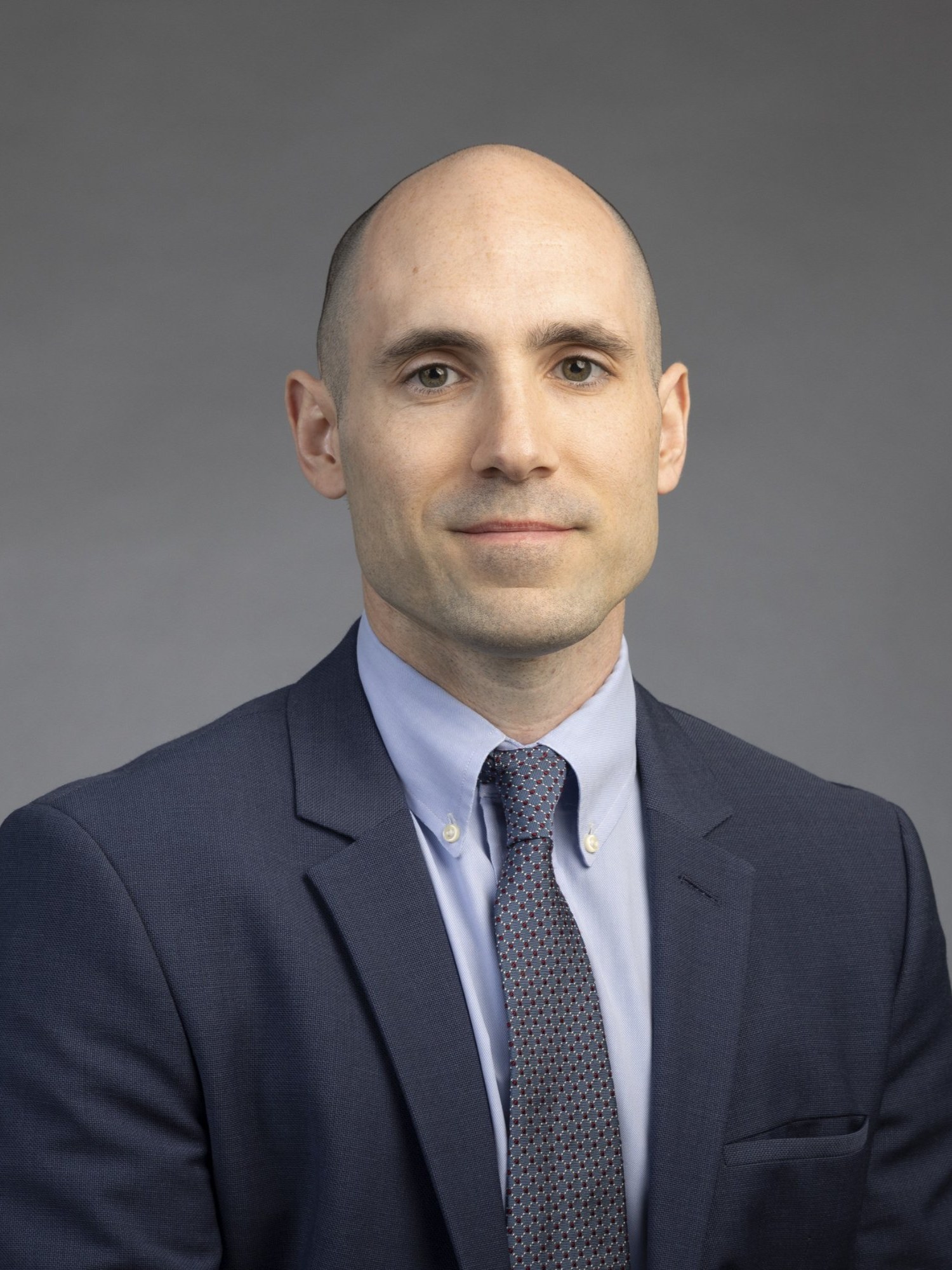
Dr. Theodoros Michelakos

Biography

Dr. Theodoros Michelakos is an Assistant Professor of Surgery in the Division of Surgical Oncology at Rush Medical College, where he specializes in endocrine and neuroendocrine surgery. His clinical focus encompasses diseases of the thyroid, parathyroid, and adrenal glands, as well as neuroendocrine tumors of the gastrointestinal tract and pancreas.

Dr. Michelakos earned his MD from the University of Athens School of Health Sciences — graduating magna cum laude and ranked first in his class — before completing his general surgery residency at Massachusetts General Hospital / Harvard Medical School. He subsequently completed an advanced fellowship in endocrine and neuroendocrine surgery at the University of Chicago. He is certified by the American Board of Surgery.

His research program focuses on cancer immunology and new technologies in medicine. He has published over 40 peer-reviewed papers in journals including Annals of Surgery, JAMA Oncology, Journal of the National Cancer Institute, and Clinical Cancer Research, and has presented at major national and international conferences.

He serves on the editorial boards of BMC Cancer, Frontiers in Surgery, and several other prestigious journals. He is committed to surgical education, having received Resident Teaching Awards from both Harvard Medical School and Tufts Medical School.

Credentials & Affiliations

Current PositionAssistant Professor, Dept. of Surgery, Division of Surgical Oncology — Rush Medical College

MDUniversity of Athens School of Health Sciences (magna cum laude, ranked 1st)

ResidencyGeneral Surgery — Massachusetts General Hospital / Harvard Medical School

Research FellowshipSurgical Oncology & Cancer Immunology — Massachusetts General Hospital / Harvard Medical School

Clinical FellowshipEndocrine & Neuroendocrine Surgery — University of Chicago

Board CertifiedAmerican Board of Surgery

H-index23 · i10-index: 34 · 2,500+ citations

Conditions We Treat

Thyroid Nodules

Most thyroid nodules are benign, but some require further evaluation with ultrasound and biopsy. Dr. Michelakos works closely with endocrinology to determine when surgery is indicated and ensures the least invasive approach appropriate for each patient.

Thyroid Cancer

Surgical management of papillary, follicular, medullary, and anaplastic thyroid cancers. Treatment is individualized based on tumor type, size, and extent — ranging from lobectomy to total thyroidectomy with or without neck dissection.

Graves' Disease

Graves' disease is an autoimmune condition causing an overactive thyroid. For patients who have not responded to medication or radioactive iodine, or who prefer a definitive surgical option, total thyroidectomy offers a durable cure.

Parathyroid Lesions & Hyperparathyroidism

Primary hyperparathyroidism — most commonly caused by a single benign adenoma — leads to elevated calcium and can affect bones, kidneys, and energy levels. Minimally invasive parathyroidectomy is curative in the vast majority of cases.

Adrenal Tumors

Adrenal tumors may be functional (producing excess hormones such as in Cushing's syndrome, Conn's syndrome, or pheochromocytoma) or non-functional. Surgical removal is performed laparoscopically in most cases, with a rapid recovery.

Neuroendocrine Tumors

NETs arise from hormone-producing cells throughout the body — most commonly in the GI tract and pancreas. Dr. Michelakos has extensive research and clinical experience in NETs and offers surgical management from resection to debulking for metastatic disease.

What to Expect

Before Surgery
  • 01 Consultation. Your first visit involves a thorough review of your imaging, labs, biopsy results, and medical history. We discuss your diagnosis, options, and what surgery involves — with time for all your questions.
  • 02 Pre-operative workup. Depending on your procedure, you may need additional labs, imaging, or specialist clearance. Our team will guide you through exactly what is needed and when.
  • 03 Day of surgery. Most procedures are performed at Rush University Medical Center. You will meet with anesthesia, and Dr. Michelakos will see you before the operation. Thyroid and parathyroid surgeries typically take 1–3 hours.
After Surgery
  • 01 Recovery. Most thyroid and parathyroid patients go home the same day or after one overnight stay. Adrenal surgery typically requires 1–2 nights. Pain is usually well-controlled with oral medications.
  • 02 Monitoring. Calcium and hormone levels are checked after surgery as needed. You will receive clear discharge instructions and know exactly who to call if you have concerns.
  • 03 Follow-up. A follow-up appointment is scheduled within 2 weeks. Long-term surveillance — with endocrinology, oncology, or both — is coordinated based on your diagnosis.

Schedule an Appointment

To schedule a new patient appointment or for referrals and general inquiries, contact Dr. Michelakos's office directly or book through Rush's online portal.

(312) 942-5500
Clinic Locations
Rush General Surgery – Chicago1725 W Harrison St, Professional Building, Suite 818, Chicago, IL 60612
Phone: (312) 942-5500 · Fax: (312) 563-2080
Rush Oak Lawn5851 W 95th St, Oak Lawn, IL 60453
Phone: (708) 660-2364
RUSH MD Anderson Cancer Center at Rush Lisle2455 Corporate W Dr, Lisle, IL 60532
Phone: (312) 942-5000 · Fax: (312) 942-5863
Book Appointment at Rush →
For Referring Providers

Dr. Michelakos is always available for patients with thyroid, parathyroid, adrenal, or neuroendocrine conditions. He offers in-clinic thyroid ultrasound and FNA with reflex molecular testing, typically in a single visit. He prioritizes prompt scheduling across RUMC Main Campus, Rush Lisle, and Rush Oak Lawn. Please call (312) 942-5500 or email [email protected] to coordinate a timely consultation.

Research & Publications

  • 2025
    Evaluating the role of postoperative long-acting somatostatin analogue therapy in patients with metastatic neuroendocrine tumors undergoing surgical debulking
    AAES Annual Meeting 2025 — Oral Presentation
  • 2024
    Interplay between B7-H3 and HLA class I in the clinical course of pancreatic ductal adenocarcinoma
    Cancer Letters → DOI
  • 2023
    Association of Tumor Cell Metabolic Subtype and Immune Response with the Clinical Course of Hepatocellular Carcinoma
    Oncologist → DOI
View All Publications →

Research Interests

Endocrine Surgery Surgical Oncology Cancer Immunology Tumor Microenvironment Neuroendocrine Tumors New Technologies in Medicine Human-Machine Interface
For Collaborators

Dr. Michelakos welcomes inquiries from researchers, clinicians, and industry partners.

24
H-index
2,800+
Citations
Google Scholar Profile

Observations & Reflections

Thoughts from the operating room, the laboratory, and the spaces in between — on medicine, science, and the human condition.

2025 · Thyroid / Guidelines

TI-RADS & thyroid cancer guidelines

TI-RADS calculation and action (Middleton, 2017) · 2025 ATA differentiated thyroid cancer guidelines (Ringel, 2025)

2025 · Parathyroid Surgery

Parathyroid intraoperative visualization & imaging

PARAFLUO ROT (Bergenfelz, 2023) · Primary hyperparathyroidism imaging review (Bunch & Kelly, 2018) · 18F-fluorocholine PET/CT (Broos, 2019)

View All Ephemerals → Links, tables & references

Residency Resources

A curated hub for residents rotating through endocrine surgery. Access OR preferences, patient care protocols, and mentorship resources below.

About the Rotation

Residents on the endocrine surgery service will participate in a high-volume practice covering thyroid, parathyroid, and adrenal surgery. Emphasis is placed on operative decision-making, intraoperative teaching, and evidence-based postoperative management.

Mentorship & Opportunities

Dr. Michelakos actively mentors residents interested in endocrine surgery, surgical research, and academic careers. Research opportunities in cancer immunology are available for motivated trainees. Reach out directly to discuss.

🔒 OR & Patient Care Preferences

This section contains Dr. Michelakos's operating room preferences and patient care protocols. Access is restricted to residents and staff on the service.

Incorrect code. Please check with the department coordinator.
Call / Text Anytime
857-800-2966

🔪 Thyroidectomy

Pre-op
ConsentUsually done in office
H&P — documentIf voice is abnormal/hoarse; last anticoagulation dose
MarkingTed will draw skin creases
Pregnancy testPer protocol
AntibioticsOnly if diabetic / immunocompromised / recent infection or abx / re-operative. None otherwise.
HeparinNo
FoleyNo, unless neck dissection
VoidingPatient must void before case
Have in the OR
LoupesBring yours
ImagingUltrasound, linear probe
Thyroid bagInflatable pressure bag (alt: gel pad, fluid pressure cuff, or rolled blankets)
Head boardPositioned toward head; able to flex down
ETTNIM endotracheal tube — 6.5 or 7.0 for most patients (per anesthesia)
NIM system
BovieNeedle tip, set to 17/17
BipolarJeweler's tip or yellow racing bipolar
PT EyeFor total thyroidectomy and parathyroidectomy
Wound protectorAlexis, extra small and extra extra small available
HemostasisSurgicel Fibrillar (4×4 or 2×4 in); hemostatic sealant (Surgiflo / Vistaseal / Tisseel) — available, do not open preemptively
Positioning
PositionMild Tommy Bahama; extend headboard if needed
Thyroid bagIn place
ArmsPadded and tucked (beer cans)
FoleyNo, unless neck dissection
NIM electrodesRed and green to chest — red = left; cover with Tegaderm
DVT prophylaxisPneumoboots
WarmingBair Hugger
Intra-op
Platysma3-0 Vicryl
Deep dermal4-0 Monocryl (if needed)
Skin5-0 Monocryl, knotless subcuticular
ClosureSkin glue; pressure on neck while extubating
Post-op
Admission
  • Total thyroidectomy → overnight
  • Any cardiovascular issue → overnight
  • >1 hr drive from home → overnight
  • Lobectomy → 4 hrs in PACU, then home
LabsTotal thyroidectomy: calcium, iCa, PTH. Lobectomy: none.
Ice packOK if not wet
DietClears and crackers in PACU; ad lib on floor
AnalgesiaTylenol; oxycodone script — 3 pills
DischargeTeam must see patient before d/c
AnticoagulationEliquis / Plavix / Xarelto / Coumadin → restart POD #2. Aspirin → do not stop.

🔬 Parathyroidectomy

Same setup as thyroidectomy above. Additional specifics below.

Pre-op
Pre-op labsNot needed unless no recent labs in Rush system
Intra-op
Baseline PTHAfter parathyroid exposure
PTH checksAt 5, 10, and 15 minutes after resection
Post-op
DispositionHome if no other issues (see thyroidectomy); stay if Ca < 7
Labs in PACUPTH, ionized calcium, calcium
Calcium supplementationEveryone gets Calcium carbonate 1,000 mg (2 Tums) TID
If PTH < 15Add Calcitriol (Rocaltrol) 0.25 μg BID + labs (PTH, Ca, iCa) in 1 week
Patient Instructions — Hypocalcemia

If you have numbness or tingling of your fingertips or around your mouth, take 2 Tums. If the problem persists after 30 minutes, take another 2 Tums. If it still persists after another 30 minutes, give us a call.